Have a question in mind? Do not hesitate to contact us. As the complexity of buildings to increase, the field of architecture became multi-disciplinary with technological
expertise and discpline.
architectsharan2022@gmail.com
Social
Instagram
Facebook
Youtube
Find Us
#884, 13th Main,
Vinayaka Layout, Nagarbhavi,
Bangalore – 560072, India
At Architect Sharan, we believe that architecture should emerge from its context — cultural, climatic, and material. Among all building materials, bricks stand out as a timeless architectural element that connects India’s rich heritage with modern expression. From the delicate Lakhori bricks of Mughal monuments to the rugged exposed clay walls in modern residences, bricks offer not just structural function but emotional and cultural resonance.
This in-depth exploration repositions bricks not just as units of construction, but as tools of storytelling, sustainability, and climate-conscious design — something we strive to embed in every project.
The Timeless Journey of Bricks in India
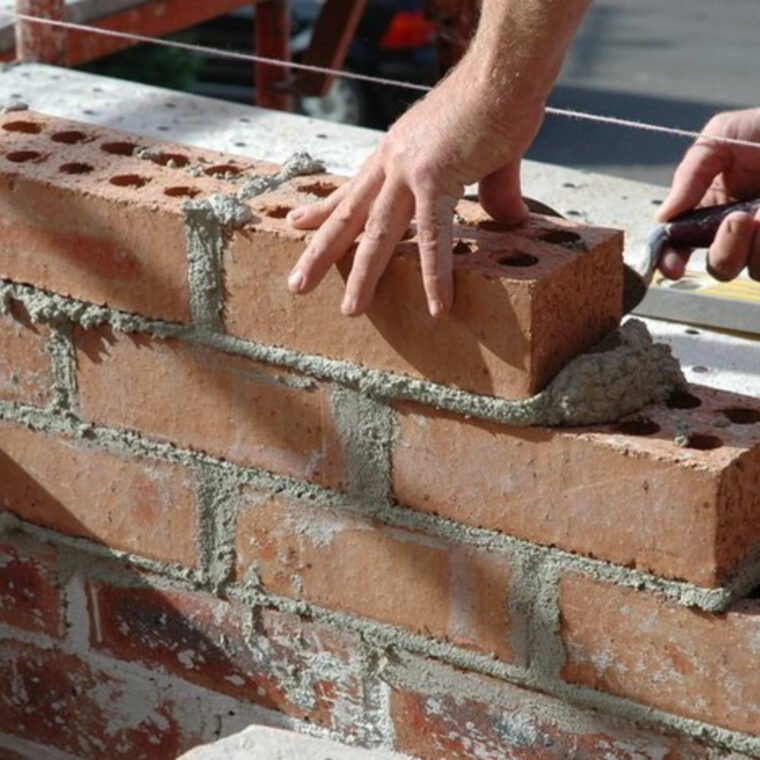
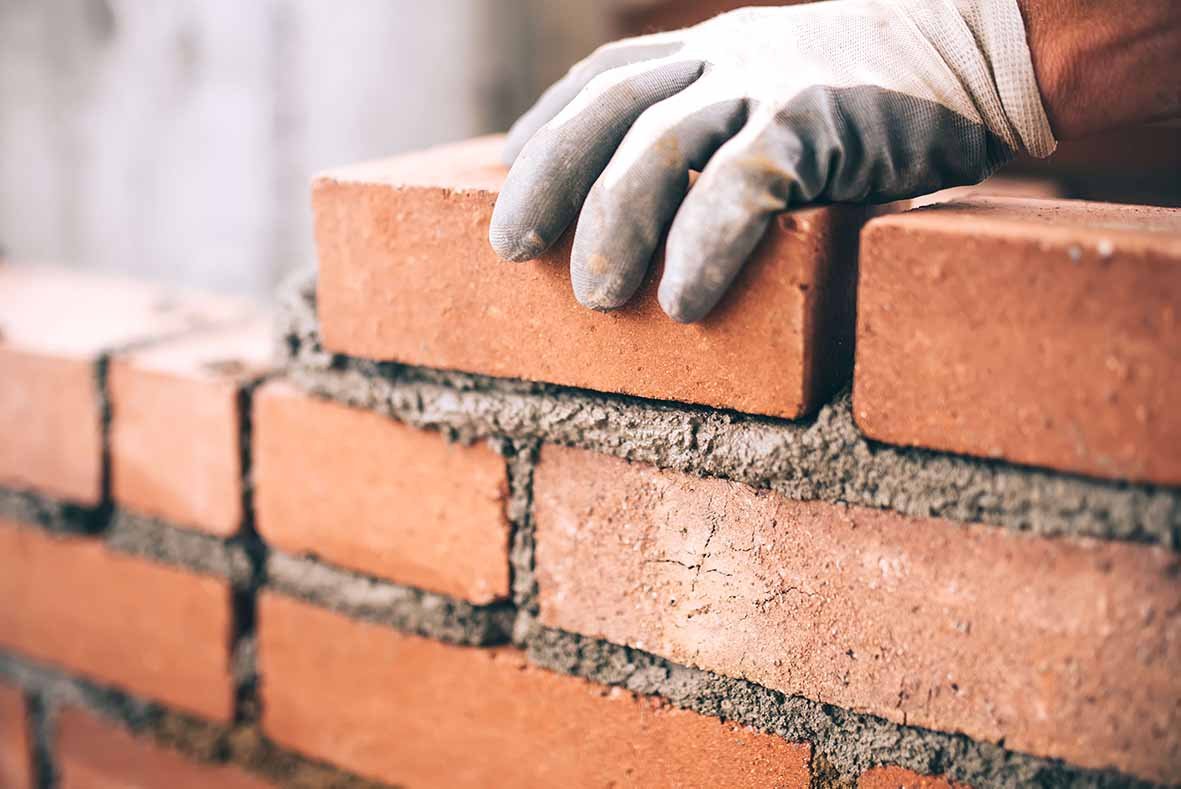
India’s brick legacy spans over 9000 years, beginning with the Indus Valley Civilization. Over time, they evolved — from Lakhori bricks in Mughal India to modular kiln-fired bricks in modern homes.
In our studio’s work, we often draw from this continuum — using bricks as a symbolic and structural connector between the past and present.