Have a question in mind? Do not hesitate to contact us. As the complexity of buildings to increase, the field of architecture became multi-disciplinary with technological
expertise and discpline.
architectsharan2022@gmail.com
Social
Instagram
Facebook
Youtube
Find Us
#884, 13th Main,
Vinayaka Layout, Nagarbhavi,
Bangalore – 560072, India
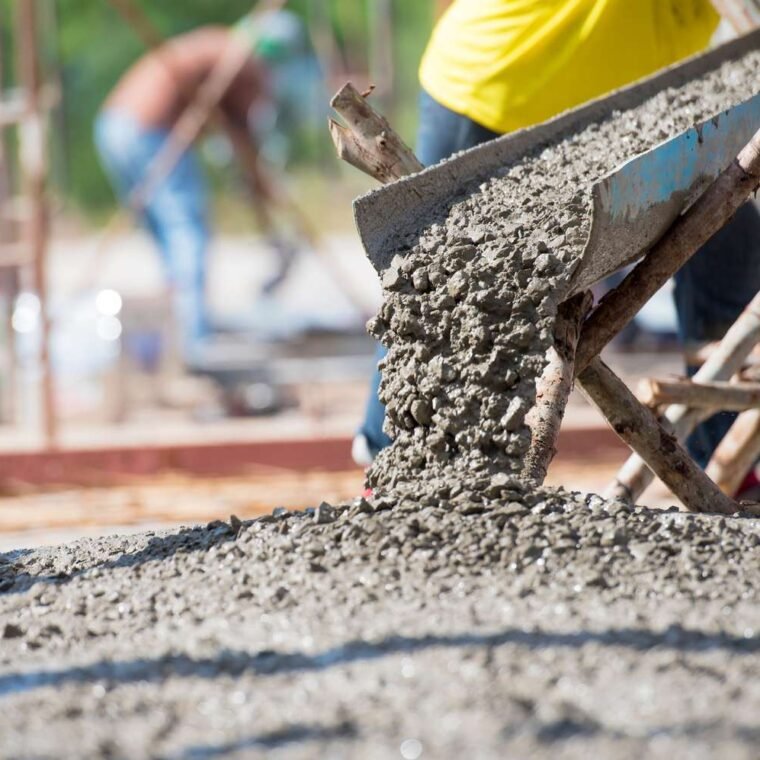
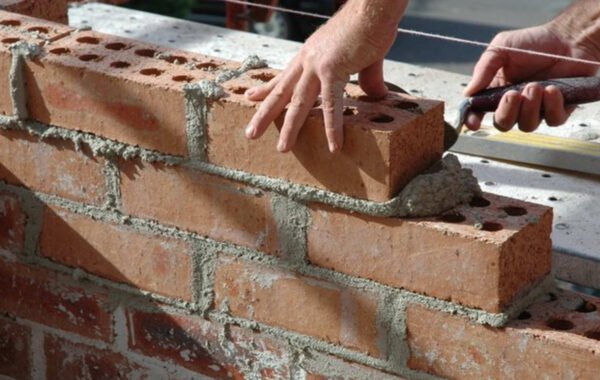
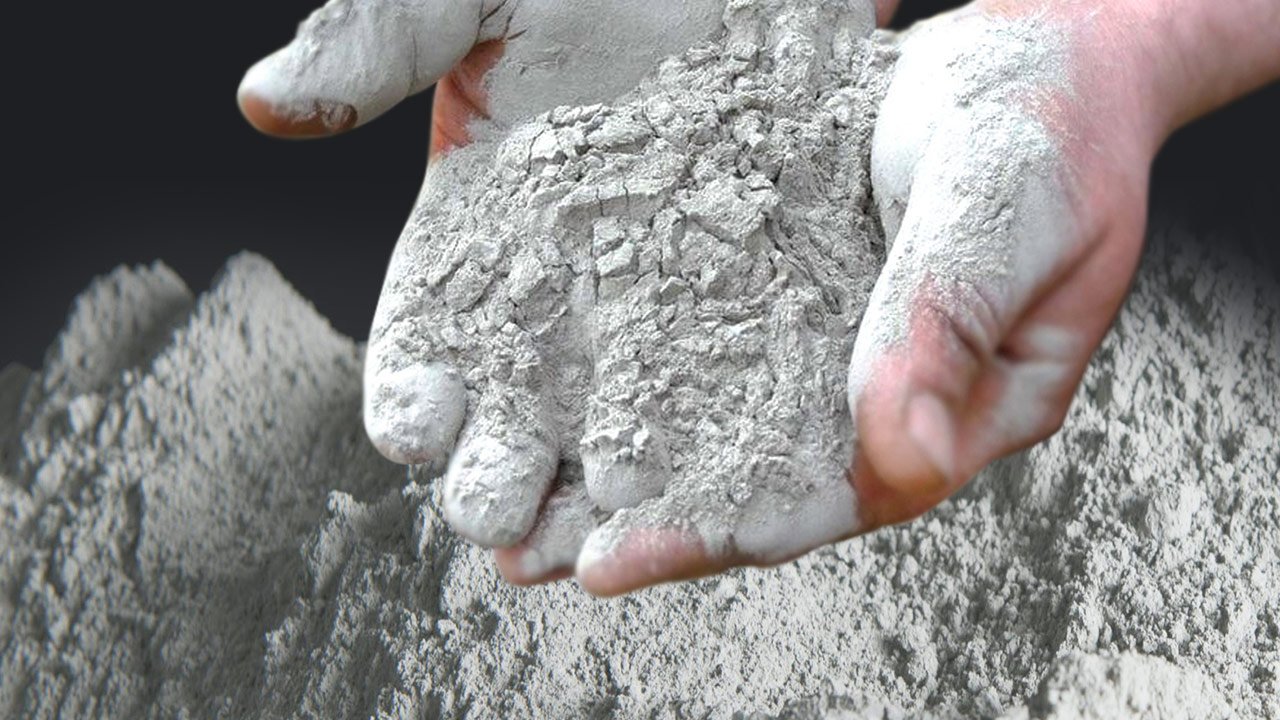
When we think about strong, long-lasting buildings, one material stands at the core — cement. For centuries, architects and builders have relied on it as the binding force that shapes our homes, offices, and public spaces. At Architect Sharan, we believe every great design rests on a strong foundation, and cement plays a pivotal role in making that possible.
A Brief History of Cement
The origins of cement go back to the Romans, who used volcanic ash and lime to create structures like aqueducts and amphitheaters, many of which still stand today.
Modern Portland Cement, the most widely used type, was patented in 1824 in England and has since become the global standard.
Why Cement is Essential in Architecture
Strength & Durability: Cement gives concrete its compressive strength, ensuring buildings last for decades.
Versatility: From skyscrapers to interiors, cement adapts to countless applications.
Cost-Effectiveness: Compared to other materials, cement remains affordable and widely available.
Sustainability: With new green blends like PPC, cement contributes to eco-conscious building practices.